


60cm Red Japanese Rose Hedging | Rosa rugosa | Bare Root
Out of stock
SKU:
SHR0250


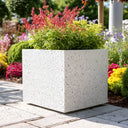

60cm Red Japanese Rose Hedging | Rosa rugosa | Bare Root
£10.99
Regular price
£10.99

In stock | Safe and Secure Delivery
£37.99
Regular price
£37.99

In stock | Safe and Secure Delivery
£39.99
Regular price
£59.99
Sale price
£39.99

In stock | Safe and Secure Delivery
'Victoria' Plum Tree 21% off
£29.99
Regular price
£37.99
Sale price
£29.99

In stock | Safe and Secure Delivery
£44.99
Regular price
£59.99
Sale price
£44.99

In stock | Safe and Secure Delivery
Walnut Tree | Juglans regia 15% off
£54.99
Regular price
£64.99
Sale price
£54.99

In stock | Safe and Secure Delivery
'Cox's Orange Pippin' Apple Tree 14% off
£29.99
Regular price
£34.99
Sale price
£29.99

In stock | Safe and Secure Delivery
£34.99
Regular price
£39.99
Sale price
£34.99

In stock | Safe and Secure Delivery
£54.99
Regular price
£54.99

In stock | Safe and Secure Delivery
£45.99
Regular price
£45.99

In stock | Safe and Secure Delivery
£54.99
Regular price
£54.99

In stock | Safe and Secure Delivery
'Regina' Cherry Tree 14% off
£29.99
Regular price
£34.99
Sale price
£29.99

In stock | Safe and Secure Delivery
£29.99
Regular price
£29.99

In stock | Safe and Secure Delivery
£29.99
Regular price
£29.99

In stock | Safe and Secure Delivery
'Morello' Cherry Tree 6% off
£29.99
Regular price
£31.99
Sale price
£29.99

In stock | Safe and Secure Delivery
£31.99
Regular price
£31.99

In stock | Safe and Secure Delivery
£44.99
Regular price
£59.99
Sale price
£44.99

In stock | Safe and Secure Delivery
£39.99
Regular price
£44.99
Sale price
£39.99

In stock | Safe and Secure Delivery
£51.99
Regular price
£64.99
Sale price
£51.99

In stock | Safe and Secure Delivery
£61.99
Regular price
£84.99
Sale price
£61.99

In stock | Safe and Secure Delivery
£44.99
Regular price
£44.99

In stock | Safe and Secure Delivery
'Sunburst' Cherry Tree 6% off
£27.99
Regular price
£29.99
Sale price
£27.99

In stock | Safe and Secure Delivery
'James Grieve' Apple Tree 8% off
£31.99
Regular price
£34.99
Sale price
£31.99

In stock | Safe and Secure Delivery
'Europa' Walnut Tree 15% off
£84.99
Regular price
£99.99
Sale price
£84.99

In stock | Safe and Secure Delivery
£89.99
Regular price
£119.99
Sale price
£89.99

In stock | Safe and Secure Delivery
£39.99
Regular price
£39.99

In stock | Safe and Secure Delivery
'Green Williams' Pear Tree 9% off
£29.99
Regular price
£32.99
Sale price
£29.99

In stock | Safe and Secure Delivery
£124.99
Regular price
£144.99
Sale price
£124.99

In stock | Safe and Secure Delivery
£42.99
Regular price
£49.99
Sale price
£42.99

In stock | Safe and Secure Delivery
£88.99
Regular price
£109.99
Sale price
£88.99

In stock | Safe and Secure Delivery
£94.99
Regular price
£104.99
Sale price
£94.99

In stock | Safe and Secure Delivery
Patio Citrus Tree Collection 9% off
£149.99
Regular price
£164.99
Sale price
£149.99

In stock | Safe and Secure Delivery
£49.99
Regular price
£54.99
Sale price
£49.99

In stock | Safe and Secure Delivery
£54.99
Regular price
£64.99
Sale price
£54.99

In stock | Safe and Secure Delivery
£51.99
Regular price
£61.99
Sale price
£51.99

In stock | Safe and Secure Delivery
'Sasha' Cherry Tree 6% off
£29.99
Regular price
£31.99
Sale price
£29.99

In stock | Safe and Secure Delivery
'Merchant' Cherry Tree 6% off
£29.99
Regular price
£31.99
Sale price
£29.99

In stock | Safe and Secure Delivery
'Kordia' Cherry Tree 6% off
£29.99
Regular price
£31.99
Sale price
£29.99

In stock | Safe and Secure Delivery
£29.99
Regular price
£31.99
Sale price
£29.99

In stock | Safe and Secure Delivery
£22.99
Regular price
£22.99

In stock | Safe and Secure Delivery
£29.99
Regular price
£29.99

In stock | Safe and Secure Delivery
£119.99
Regular price
£164.99
Sale price
£119.99

In stock | Safe and Secure Delivery
£31.99
Regular price
£31.99

In stock | Safe and Secure Delivery
£29.99
Regular price
£29.99

In stock | Safe and Secure Delivery
£29.99
Regular price
£29.99

In stock | Safe and Secure Delivery
£29.99
Regular price
£29.99

In stock | Safe and Secure Delivery
£29.99
Regular price
£29.99

In stock | Safe and Secure Delivery
'Gala' Apple Tree 14% off
£29.99
Regular price
£34.99
Sale price
£29.99

In stock | Safe and Secure Delivery
£51.99
Regular price
£61.99
Sale price
£51.99

In stock | Safe and Secure Delivery
£49.99
Regular price
£79.99
Sale price
£49.99

In stock | Safe and Secure Delivery
£119.99
Regular price
£164.99
Sale price
£119.99

In stock | Safe and Secure Delivery
£36.99
Regular price
£36.99

In stock | Safe and Secure Delivery
£33.99
Regular price
£35.99
Sale price
£33.99

In stock | Safe and Secure Delivery
£34.99
Regular price
£37.99
Sale price
£34.99

In stock | Safe and Secure Delivery
£34.99
Regular price
£34.99

In stock | Safe and Secure Delivery
Strawberry Tree | Arbutus unedo 10% off
£26.99
Regular price
£29.99
Sale price
£26.99

In stock | Safe and Secure Delivery
£34.99
Regular price
£37.99
Sale price
£34.99

In stock | Safe and Secure Delivery
£69.99
Regular price
£69.99

In stock | Safe and Secure Delivery
£34.99
Regular price
£37.99
Sale price
£34.99

In stock | Safe and Secure Delivery
£46.99
Regular price
£46.99

In stock | Safe and Secure Delivery
£34.99
Regular price
£34.99

In stock | Safe and Secure Delivery
£34.99
Regular price
£37.99
Sale price
£34.99

In stock | Safe and Secure Delivery
£29.99
Regular price
£29.99

In stock | Safe and Secure Delivery
£34.99
Regular price
£35.99
Sale price
£34.99

In stock | Safe and Secure Delivery
£49.99
Regular price
£49.99

In stock | Safe and Secure Delivery
£43.99
Regular price
£43.99

In stock | Safe and Secure Delivery
£54.99
Regular price
£54.99

In stock | Safe and Secure Delivery
£42.99
Regular price
£42.99

In stock | Safe and Secure Delivery
£54.99
Regular price
£69.99
Sale price
£54.99

In stock | Safe and Secure Delivery
£49.99
Regular price
£69.99
Sale price
£49.99

In stock | Safe and Secure Delivery
£59.99
Regular price
£59.99

In stock | Safe and Secure Delivery
£49.99
Regular price
£59.99
Sale price
£49.99

In stock | Safe and Secure Delivery
£33.99
Regular price
£35.99
Sale price
£33.99

In stock | Safe and Secure Delivery
£34.99
Regular price
£37.99
Sale price
£34.99

In stock | Safe and Secure Delivery
£38.99
Regular price
£59.99
Sale price
£38.99

In stock | Safe and Secure Delivery
£31.99
Regular price
£37.99
Sale price
£31.99

In stock | Safe and Secure Delivery
£91.99
Regular price
£139.99
Sale price
£91.99

In stock | Safe and Secure Delivery
£39.99
Regular price
£54.99
Sale price
£39.99

In stock | Safe and Secure Delivery
£44.99
Regular price
£44.99

In stock | Safe and Secure Delivery
£29.99
Regular price
£29.99

In stock | Safe and Secure Delivery
£64.99
Regular price
£69.99
Sale price
£64.99

In stock | Safe and Secure Delivery
£37.99
Regular price
£39.99
Sale price
£37.99

In stock | Safe and Secure Delivery
£64.99
Regular price
£69.99
Sale price
£64.99

In stock | Safe and Secure Delivery
£37.99
Regular price
£37.99

In stock | Safe and Secure Delivery
£33.99
Regular price
£37.99
Sale price
£33.99

In stock | Safe and Secure Delivery
£46.99
Regular price
£46.99

In stock | Safe and Secure Delivery
£33.99
Regular price
£39.99
Sale price
£33.99

In stock | Safe and Secure Delivery
£39.99
Regular price
£39.99

In stock | Safe and Secure Delivery
£39.99
Regular price
£44.99
Sale price
£39.99

In stock | Safe and Secure Delivery
£104.99
Regular price
£104.99

In stock | Safe and Secure Delivery
£54.99
Regular price
£59.99
Sale price
£54.99

In stock | Safe and Secure Delivery
£79.99
Regular price
£84.99
Sale price
£79.99

In stock | Safe and Secure Delivery
£63.99
Regular price
£63.99

In stock | Safe and Secure Delivery
£34.99
Regular price
£35.99
Sale price
£34.99

In stock | Safe and Secure Delivery
£33.99
Regular price
£35.99
Sale price
£33.99

In stock | Safe and Secure Delivery
£33.99
Regular price
£35.99
Sale price
£33.99

In stock | Safe and Secure Delivery
£37.99
Regular price
£37.99

In stock | Safe and Secure Delivery
£33.99
Regular price
£37.99
Sale price
£33.99

In stock | Safe and Secure Delivery
£31.99
Regular price
£35.99
Sale price
£31.99

In stock | Safe and Secure Delivery
£42.99
Regular price
£42.99

In stock | Safe and Secure Delivery
£29.99
Regular price
£29.99

In stock | Safe and Secure Delivery
£80.99
Regular price
£80.99

Out of stock
£34.99
Regular price
£34.99

Out of stock
£41.99
Regular price
£41.99

Out of stock
Dragon Head Bamboo | Fargesia rufa 6% off Sold out
£27.99
Regular price
£29.99
Sale price
£27.99

Out of stock
6ft Arrow Bamboo | 10L Pot Sold out
£54.99
Regular price
£54.99

Out of stock
£56.99
Regular price
£56.99

Out of stock
Golden Bamboo | Phyllostachys aureosulcata 'Spectabilis' 23% off Sold out
£49.99
Regular price
£64.99
Sale price
£49.99

Out of stock
Golden Bamboo | Phyllostachys aurea Sold out
£69.99
Regular price
£69.99

In stock | Safe and Secure Delivery
£24.99
Regular price
£24.99

In stock | Safe and Secure Delivery
£22.99
Regular price
£22.99

In stock | Safe and Secure Delivery
£24.99
Regular price
£24.99

In stock | Safe and Secure Delivery
£22.99
Regular price
£22.99

In stock | Safe and Secure Delivery
£25.99
Regular price
£25.99

In stock | Safe and Secure Delivery
£20.99
Regular price
£20.99

In stock | Safe and Secure Delivery
'Rouge De Bordeaux' Fig Tree 12% off
£21.99
Regular price
£24.99
Sale price
£21.99

In stock | Safe and Secure Delivery
£26.99
Regular price
£26.99

In stock | Safe and Secure Delivery
£22.99
Regular price
£24.99
Sale price
£22.99

In stock | Safe and Secure Delivery
£22.99
Regular price
£22.99

In stock | Safe and Secure Delivery
£20.99
Regular price
£20.99

In stock | Safe and Secure Delivery
£14.99
Regular price
£14.99

In stock | Safe and Secure Delivery
'Chardonnay' Grape Vine 4% off
£23.99
Regular price
£24.99
Sale price
£23.99

In stock | Safe and Secure Delivery
£24.99
Regular price
£24.99

In stock | Safe and Secure Delivery
£21.99
Regular price
£21.99

In stock | Safe and Secure Delivery
£23.99
Regular price
£27.99
Sale price
£23.99

In stock | Safe and Secure Delivery
£29.99
Regular price
£29.99

In stock | Safe and Secure Delivery
£22.99
Regular price
£22.99

In stock | Safe and Secure Delivery
£15.99
Regular price
£15.99

In stock | Safe and Secure Delivery
£29.99
Regular price
£29.99

In stock | Safe and Secure Delivery
£23.99
Regular price
£23.99

In stock | Safe and Secure Delivery
'Muscat Bleu' Grape Vine 4% off
£23.99
Regular price
£24.99
Sale price
£23.99

In stock | Safe and Secure Delivery
£36.99
Regular price
£40.99
Sale price
£36.99

In stock | Safe and Secure Delivery
£23.99
Regular price
£23.99

In stock | Safe and Secure Delivery
£55.99
Regular price
£55.99

In stock | Safe and Secure Delivery
£27.99
Regular price
£27.99

In stock | Safe and Secure Delivery
£19.99
Regular price
£19.99

In stock | Safe and Secure Delivery
£23.99
Regular price
£23.99

In stock | Safe and Secure Delivery
£22.99
Regular price
£22.99

In stock | Safe and Secure Delivery
£12.99
Regular price
£12.99

In stock | Safe and Secure Delivery
£19.99
Regular price
£19.99

In stock | Safe and Secure Delivery
£12.99
Regular price
£12.99

In stock | Safe and Secure Delivery
£12.99
Regular price
£12.99

In stock | Safe and Secure Delivery
£21.99
Regular price
£21.99

In stock | Safe and Secure Delivery
£19.99
Regular price
£19.99

In stock | Safe and Secure Delivery
£33.99
Regular price
£44.99
Sale price
£33.99

In stock | Safe and Secure Delivery
£34.99
Regular price
£44.99
Sale price
£34.99

In stock | Safe and Secure Delivery
£19.99
Regular price
£19.99

In stock | Safe and Secure Delivery
£19.99
Regular price
£19.99

In stock | Safe and Secure Delivery
£19.99
Regular price
£19.99

In stock | Safe and Secure Delivery
£19.99
Regular price
£19.99

In stock | Safe and Secure Delivery
£22.99
Regular price
£22.99

In stock | Safe and Secure Delivery
£36.99
Regular price
£40.99
Sale price
£36.99

In stock | Safe and Secure Delivery
£23.99
Regular price
£27.99
Sale price
£23.99

In stock | Safe and Secure Delivery
£16.99
Regular price
£16.99

In stock | Safe and Secure Delivery
£20.99
Regular price
£20.99

In stock | Safe and Secure Delivery
£15.99
Regular price
£15.99

In stock | Safe and Secure Delivery
£21.99
Regular price
£21.99

In stock | Safe and Secure Delivery
£21.99
Regular price
£21.99

In stock | Safe and Secure Delivery
£15.99
Regular price
£15.99

In stock | Safe and Secure Delivery
£29.99
Regular price
£29.99

In stock | Safe and Secure Delivery
£29.99
Regular price
£29.99

In stock | Safe and Secure Delivery
£36.99
Regular price
£36.99

In stock | Safe and Secure Delivery
£34.99
Regular price
£34.99

In stock | Safe and Secure Delivery
£34.99
Regular price
£34.99

In stock | Safe and Secure Delivery
£53.99
Regular price
£53.99

In stock | Safe and Secure Delivery
£39.99
Regular price
£39.99

In stock | Safe and Secure Delivery
£22.99
Regular price
£22.99
In stock | Safe and Secure Delivery
£80.99
Regular price
£80.99

In stock | Safe and Secure Delivery
£25.99
Regular price
£25.99

In stock | Safe and Secure Delivery
£34.99
Regular price
£34.99

In stock | Safe and Secure Delivery
£59.99
Regular price
£59.99

In stock | Safe and Secure Delivery
£39.99
Regular price
£39.99

In stock | Safe and Secure Delivery
£15.99
Regular price
£15.99

In stock | Safe and Secure Delivery
£27.99
Regular price
£27.99

In stock | Safe and Secure Delivery
£32.99
Regular price
£32.99

In stock | Safe and Secure Delivery
£43.99
Regular price
£43.99

In stock | Safe and Secure Delivery
£43.99
Regular price
£43.99

Out of stock
£59.99
Regular price
£59.99

Out of stock
£11.99
Regular price
£11.99
Out of stock
£34.99
Regular price
£34.99

Out of stock
Hydrangea paniculata 'Candlelight' Sold out
£29.99
Regular price
£29.99
Out of stock
£41.99
Regular price
£41.99

Out of stock
£10.99
Regular price
£10.99
Out of stock
Dragon Head Bamboo | Fargesia rufa 6% off Sold out
£27.99
Regular price
£29.99
Sale price
£27.99
Out of stock
6ft Arrow Bamboo | 10L Pot Sold out
£54.99
Regular price
£54.99

Out of stock
£10.99
Regular price
£10.99

Out of stock
£11.99
Regular price
£11.99

Out of stock
£10.99
Regular price
£10.99

Out of stock
Hydrangea macrophylla 'Bouquet Rose' Sold out
£28.99
Regular price
£28.99

Out of stock
£10.99
Regular price
£10.99

Out of stock
£10.99
Regular price
£10.99

Out of stock
£10.99
Regular price
£10.99

Out of stock
£10.99
Regular price
£10.99

Out of stock
Blackthorn Hedging | Prunus spinosa Sold out
£10.99
Regular price
£10.99

Out of stock
£28.99
Regular price
£28.99

Out of stock
£35.99
Regular price
£35.99

Out of stock
£52.99
Regular price
£52.99

Out of stock
£12.99
Regular price
£12.99

Out of stock
Purple Beech Hedging | Fagus sylvatica 'Purpurea' 16% off Sold out
£14.99
Regular price
£17.99
Sale price
£14.99
Out of stock
£56.99
Regular price
£56.99

Out of stock
£10.99
Regular price
£10.99

Out of stock
£10.99
Regular price
£10.99

Out of stock
Cherry Dogwood Hedging | Cornus mas Sold out
£10.99
Regular price
£10.99

Out of stock
£11.99
Regular price
£11.99

Out of stock
£10.99
Regular price
£10.99

Out of stock
Sweet Cherry Hedging | Prunus avium Sold out
£10.99
Regular price
£10.99

Out of stock
£11.99
Regular price
£11.99

Out of stock
£10.99
Regular price
£10.99

Out of stock
£10.99
Regular price
£10.99
In stock | Safe and Secure Delivery
£22.99
Regular price
£22.99
In stock | Safe and Secure Delivery
£39.99
Regular price
£39.99
In stock | Safe and Secure Delivery
£25.99
Regular price
£25.99
Out of stock
£11.99
Regular price
£11.99
Out of stock
£10.99
Regular price
£10.99
Out of stock
£10.99
Regular price
£10.99
Out of stock
£11.99
Regular price
£11.99
Out of stock
£10.99
Regular price
£10.99
Out of stock
£10.99
Regular price
£10.99
Out of stock
£10.99
Regular price
£10.99
Out of stock
Blackthorn Hedging | Prunus spinosa Sold out
£10.99
Regular price
£10.99
Out of stock
Purple Beech Hedging | Fagus sylvatica 'Purpurea' 16% off Sold out
£14.99
Regular price
£17.99
Sale price
£14.99
Out of stock
£10.99
Regular price
£10.99
Out of stock
£10.99
Regular price
£10.99
Out of stock
Cherry Dogwood Hedging | Cornus mas Sold out
£10.99
Regular price
£10.99
Out of stock
£11.99
Regular price
£11.99
Out of stock
£10.99
Regular price
£10.99
Out of stock
Sweet Cherry Hedging | Prunus avium Sold out
£10.99
Regular price
£10.99
Out of stock
£10.99
Regular price
£10.99
Out of stock
£10.99
Regular price
£10.99

Out of stock
£12.99
Regular price
£12.99

Out of stock
£62.99
Regular price
£62.99

Out of stock
£9.99
Regular price
£9.99

Out of stock
Field Maple Hedging | Acer campestre Sold out
£9.99
Regular price
£9.99

Out of stock
£9.99
Regular price
£9.99

Out of stock
£10.99
Regular price
£10.99

Out of stock
£10.99
Regular price
£10.99

Out of stock
Best Mixed Native Wildlife Hedging | Growers' Choice 25% off Sold out
£44.99
Regular price
£59.99
Sale price
£44.99

Out of stock
Dogwood Hedging | Cornus sanguinea Sold out
£10.99
Regular price
£10.99

Out of stock
£10.99
Regular price
£10.99

Out of stock
All Seasons Hedging | Growers' Choice 10% off Sold out
£48.99
Regular price
£54.99
Sale price
£48.99

Out of stock
Livestock-Friendly Farm Hedging | BN11 Compliant 33% off Sold out
£59.99
Regular price
£89.99
Sale price
£59.99

Out of stock
English Oak Hedging | Quercus robur Sold out
£10.99
Regular price
£10.99

Out of stock
15 Colourful Cornus Hedging Plants | Growers Choice 4% off Sold out
£39.99
Regular price
£41.99
Sale price
£39.99

Out of stock
£10.99
Regular price
£10.99

Out of stock
Dog Rose Hedging | Rosa canina Sold out
£9.99
Regular price
£9.99

Out of stock
£10.99
Regular price
£10.99

Out of stock
£12.99
Regular price
£12.99

Out of stock
£10.99
Regular price
£10.99

Out of stock
£9.99
Regular price
£9.99

Out of stock
£10.99
Regular price
£10.99

Out of stock
Wayfarer Hedging | Viburnum lantana Sold out
£10.99
Regular price
£10.99

Out of stock
£11.99
Regular price
£11.99

Out of stock
£14.99
Regular price
£14.99
Out of stock
£10.99
Regular price
£10.99

Out of stock
£11.99
Regular price
£11.99

Out of stock
£10.99
Regular price
£10.99

Out of stock
£9.99
Regular price
£9.99

Out of stock
£10.99
Regular price
£10.99

Out of stock
£11.99
Regular price
£11.99

In stock | Safe and Secure Delivery
£33.99
Regular price
£33.99

In stock | Safe and Secure Delivery
£41.99
Regular price
£41.99

In stock | Safe and Secure Delivery
£27.99
Regular price
£27.99

In stock | Safe and Secure Delivery
£28.99
Regular price
£28.99

In stock | Safe and Secure Delivery
£29.99
Regular price
£29.99

In stock | Safe and Secure Delivery
£31.99
Regular price
£31.99

In stock | Safe and Secure Delivery
£29.99
Regular price
£29.99

In stock | Safe and Secure Delivery
£29.99
Regular price
£29.99

In stock | Safe and Secure Delivery
£29.99
Regular price
£29.99