


Garden Screening
Garden Screening Rolls - Unroll Elegance and Privacy
Crafted using traditional techniques such as coppicing, each of our privacy garden screens is more than just a product—it’s a work of art. Our skilled artisans dedicate hours to carefully selecting the highest quality natural materials, shaping them with precision, and weaving them into beautiful, durable screens.
Woven Wood's natural garden screening, made from materials like bamboo, willow, and bark, offer more than just privacy. They transform your garden into a serene sanctuary, shielding it from prying eyes. Whether you're looking for a windbreak, a decorative panel, or a functional privacy screen, our natural fence panels tick all the boxes.
All Garden Screening


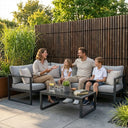
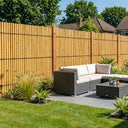


Bamboo Slat Fencing Screening Rolls Sold out

Bamboo Cane Fencing Screening Rolls Sold out
Frequently Asked Questions:

What is garden screening?
Why should I install garden screening?
Which material is best for garden screening?
Bark is perfect for a more rustic, earthy appearance and is great for privacy. However, it may require more maintenance over time to protect it from weather and decay.
Willow offers flexibility and a natural aesthetic, ideal for gardens that incorporate climbing plants. It provides moderate privacy and has a softer, woven appearance, making it popular for decorative purposes.
Each material has its strengths, so choose based on your desired look, maintenance preference, and the level of privacy you need.
What to consider when choosing garden screening?
Height: Consider the height needed for your screening based on the level of privacy or coverage you want, while also checking local regulations on maximum allowable height.
Installation: Assess how easy the screening will be to install, and whether it needs to be attached to an existing fence, wall, or structure, or if you’ll need a freestanding option. Durability: If your garden is exposed to harsh weather conditions, choose a screening that is sturdy and weather-resistant.
Can I use garden screening for privacy?
Can I grow plants on garden screening?
Is garden screening weather-resistant?
How to Clean Garden Screening?
How sustainable are bamboo, bark, and willow screening materials?
Bark screening, typically made from chestnut or similar trees, is sustainable as it repurposes the bark, which is a byproduct of the timber industry. It’s a natural, biodegradable material that minimizes waste.
Willow is another sustainable option, as willow plants grow fast and can be harvested repeatedly without harming the main plant.