


Nut Trees
Cultivate a Delightful Harvest with Our Nut Trees
Cultivate your own delightful harvest with our comprehensive collection of nut trees. Imagine fresh, homegrown nuts for baking, snacking, or gifting, straight from your garden. From the stately English walnut to the productive cobnut, our carefully selected varieties promise robust growth and superb autumn yields. Explore our range and find the perfect nut tree to enrich your outdoor space.
All Nut Trees

In stock | Safe and Secure Delivery
£59.99
Regular price
£64.99
Minimum price
£59.99

Out of stock
£44.99
Regular price
£44.99

Out of stock
5ft Walnut Tree | Juglans regia | 7.5L Pot | 2 Years Old 15% off Sold out
£54.99
Regular price
£64.99
Minimum price
£54.99

Out of stock
3ft Sweet Chestnut Tree | 3L Pot 3% off Sold out
£28.99
Regular price
£29.99
Minimum price
£28.99

Out of stock
5ft 'Europa' Walnut Tree | 7.5L Pot | 2 Years Old 15% off Sold out
£84.99
Regular price
£99.99
Minimum price
£84.99

Out of stock
4ft 'Hall'sche Reissenuss' / 'Merveille de Bollwyller' Hazelnut Tree | 9L Pot | 2 Years Old 7% off Sold out
£59.99
Regular price
£64.99
Minimum price
£59.99

Out of stock
£104.99
Regular price
£104.99

Out of stock
£39.99
Regular price
£39.99

Out of stock
4ft Chestnut Tree | Castanea sativa | 9L Pot | 2 Years Old 8% off Sold out
£54.99
Regular price
£59.99
Minimum price
£54.99

Out of stock
£39.99
Regular price
£39.99

Out of stock
£27.99
Regular price
£27.99

Out of stock
£39.99
Regular price
£39.99

Out of stock
3ft 'Webb's Prize' Hazelnut Tree | Corylus avellana | Bare Root 5% off Sold out
£33.99
Regular price
£35.99
Minimum price
£33.99

Out of stock
£37.99
Regular price
£37.99

Out of stock
4ft 'Pearson's Prolific' / 'Nottingham Early' Hazelnut Tree | 7.5L Pot | 2 Years Old 7% off Sold out
£59.99
Regular price
£64.99
Minimum price
£59.99

Out of stock
£54.99
Regular price
£59.99
Minimum price
£54.99

Out of stock
£29.99
Regular price
£29.99

Out of stock
£100.99
Regular price
£100.99

Out of stock
£81.99
Regular price
£81.99

Out of stock
£33.99
Regular price
£33.99

Out of stock
£29.99
Regular price
£29.99

Out of stock
£37.99
Regular price
£37.99

Out of stock
£81.99
Regular price
£81.99

Out of stock
£54.99
Regular price
£59.99
Minimum price
£54.99

Out of stock
£34.99
Regular price
£34.99

Out of stock
3ft 'Pearson's Prolific' / 'Nottingham Early' Hazelnut Tree | 3L Pot 32% off Sold out
£24.99
Regular price
£36.99
Minimum price
£24.99

Out of stock
5ft 'Lara' Walnut Tree | 9L Pot | 2 Years Old 4% off Sold out
£119.99
Regular price
£124.99
Minimum price
£119.99

Out of stock
£124.99
Regular price
£124.99

Out of stock
£54.99
Regular price
£59.99
Minimum price
£54.99

Out of stock
£34.99
Regular price
£34.99

Out of stock
3ft 'Purpurea' Filbert Tree | Purple Hazelnut Tree | Bare Root 24% off Sold out
£37.99
Regular price
£49.99
Minimum price
£37.99

Out of stock
4ft 'Kentish Cob' / 'Lambert's Filbert' / 'Longue' Hazelnut Tree | 9L Pot | 2 Years Old 7% off Sold out
£59.99
Regular price
£64.99
Minimum price
£59.99
Frequently asked questions
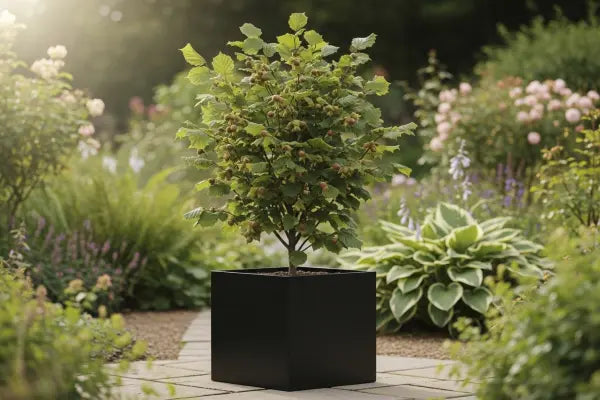
Can nut trees be successfully grown in planters or large pots?
Some smaller nut tree varieties, such as dwarf almonds or hazelnuts, can be grown in large planters. They require substantial pots, appropriate drainage, and regular watering and feeding to thrive. Root restriction will limit their ultimate size and yield, but it is achievable. Always choose a pot significantly larger than the root ball.
Are nut trees self-pollinating, or do they require other trees for pollination?
While some nut tree varieties possess a degree of self-fertility, most benefit significantly from cross-pollination. Planting at least two different, compatible varieties often results in much higher and more consistent nut yields. It is advisable to research the specific pollination requirements for your chosen species.
How do you determine when nuts are ready for harvesting from the tree?
Nuts are typically ready for harvest when their outer husks begin to split, turn brown, and the nuts naturally fall to the ground. For some varieties, a gentle shake of the branches can dislodge mature nuts. Harvesting at the right time ensures optimal flavour and quality.
What common pests or diseases might affect nut trees, and how can they be managed?
Nut trees can be susceptible to various pests, such as squirrels, nut weevils, and borers, along with diseases like blight and cankers. Good cultural practices, including proper spacing, sanitation, and watering, can help prevent many issues. Prompt identification and treatment are key to managing infestations effectively.
How should nut trees be pruned to encourage healthy growth and good nut yields?
Pruning typically involves establishing a strong scaffold structure, whether a central leader or an open vase, depending on the species. Remove any dead, diseased, or crossing branches to improve air circulation and light penetration. Regular maintenance pruning promotes new fruit-bearing wood and overall tree vigour.
When is the optimal time of year to plant new nut trees for best establishment?
The best time to plant bare-root nut trees is generally in late autumn or early spring, during their dormant period. This timing allows the root system to establish itself before the stresses of summer heat or severe winter cold. Container-grown trees offer more flexibility and can be planted throughout the growing season.
What are the essential soil and light requirements for cultivating nut trees?
Most nut trees thrive in well-draining soil with a neutral to slightly acidic pH. Adequate sunlight is crucial, meaning they typically need at least six to eight hours of direct sun per day for good nut development. Proper drainage prevents root issues, which can severely impact tree health.
How long does it typically take for a nut tree to begin producing nuts?
The time to first harvest varies significantly among nut tree species and cultivars. Many varieties may start bearing a small crop within 3 to 7 years after planting. However, full, consistent yields generally require a longer period, often 10 to 15 years for larger, mature trees.
What are common nut trees suitable for growing in temperate climates?
Popular nut trees for temperate regions often include walnuts, hazelnuts (also known as cobnuts or filberts), and chestnuts. Some almond varieties can also be cultivated in milder temperate zones. Each species has specific climate and soil preferences for optimal growth and production.